
FIELD notes
Learning does not happen only where education tells us it should. It forms through relationships—among people, spaces, histories, technologies, artifacts, and ideas—that continually shift as learners encounter one another and their environments. My research explores these relational conditions and the possibilities for learning that emerge through them.
This work began with ThirdPlaceSpace, developed through my doctoral research as a way to explore community and knowledge building in distributed design education. What emerged from that study raised a larger question: if learning environments are continually made and remade through relationships, how might we begin to see those changing ecologies? FIELD—Forms of Interactivity and Emergent Learning Dynamics—extends that inquiry beyond ThirdPlaceSpace, using mapping and other forms of inquiry to trace how relationships become consequential to learning over time.
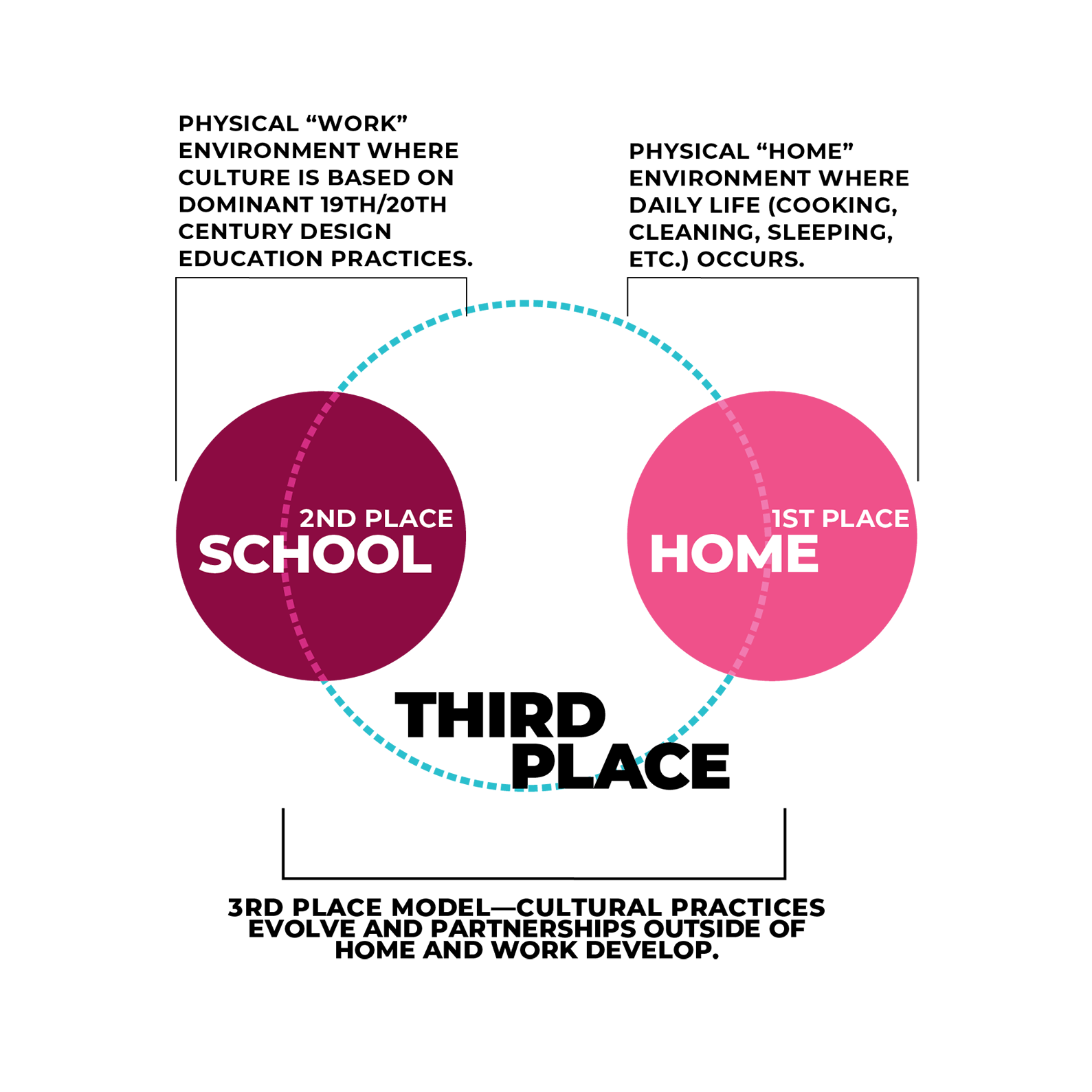
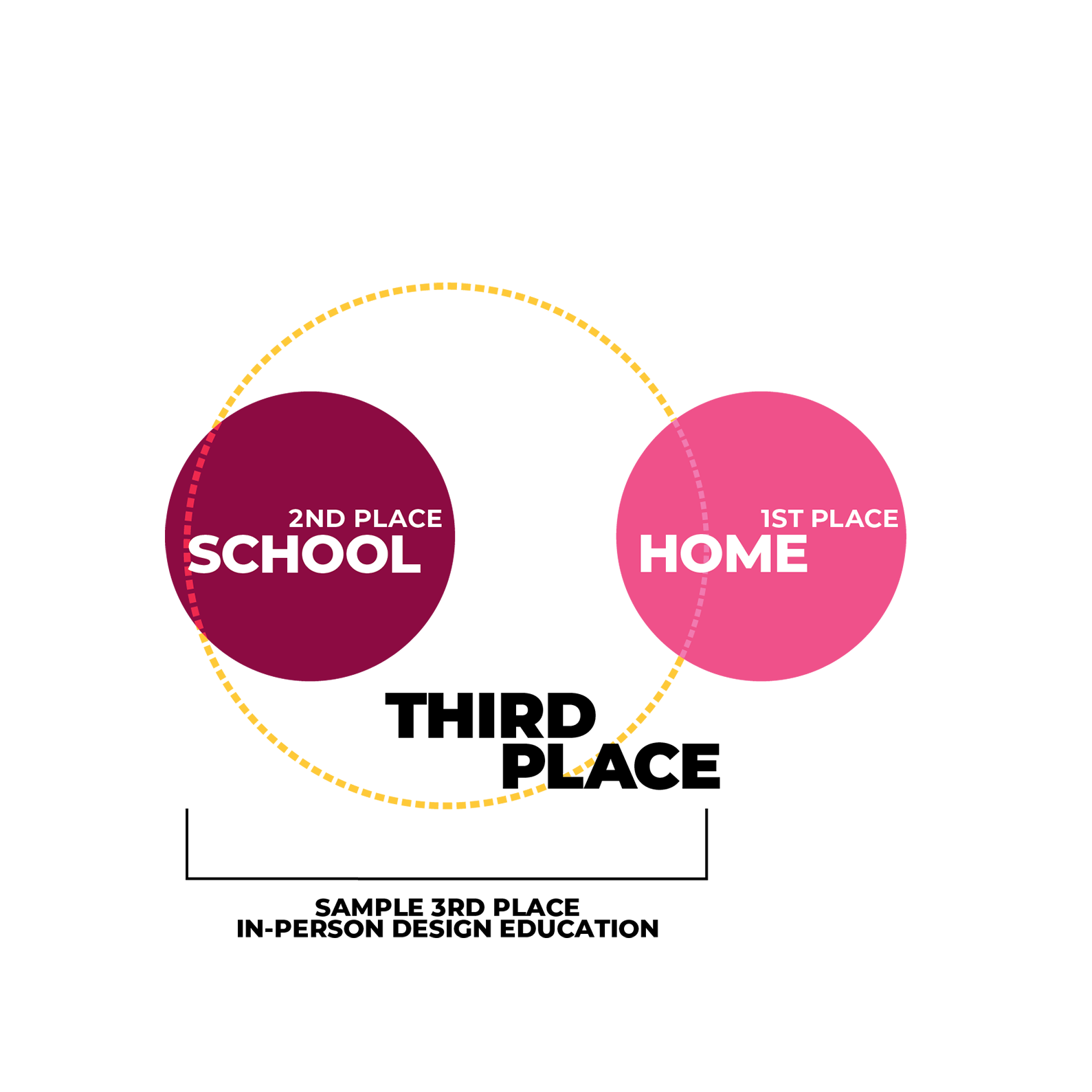
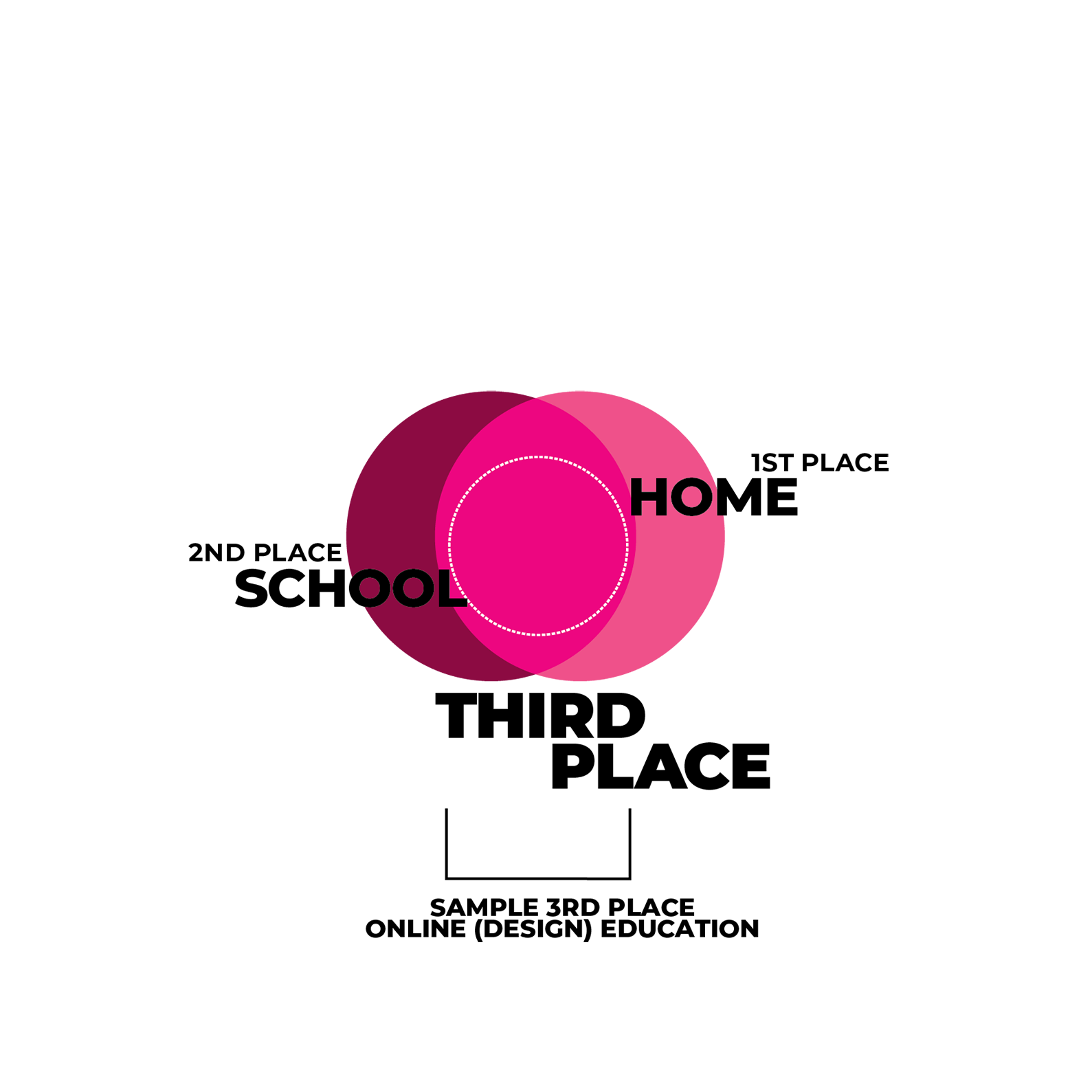
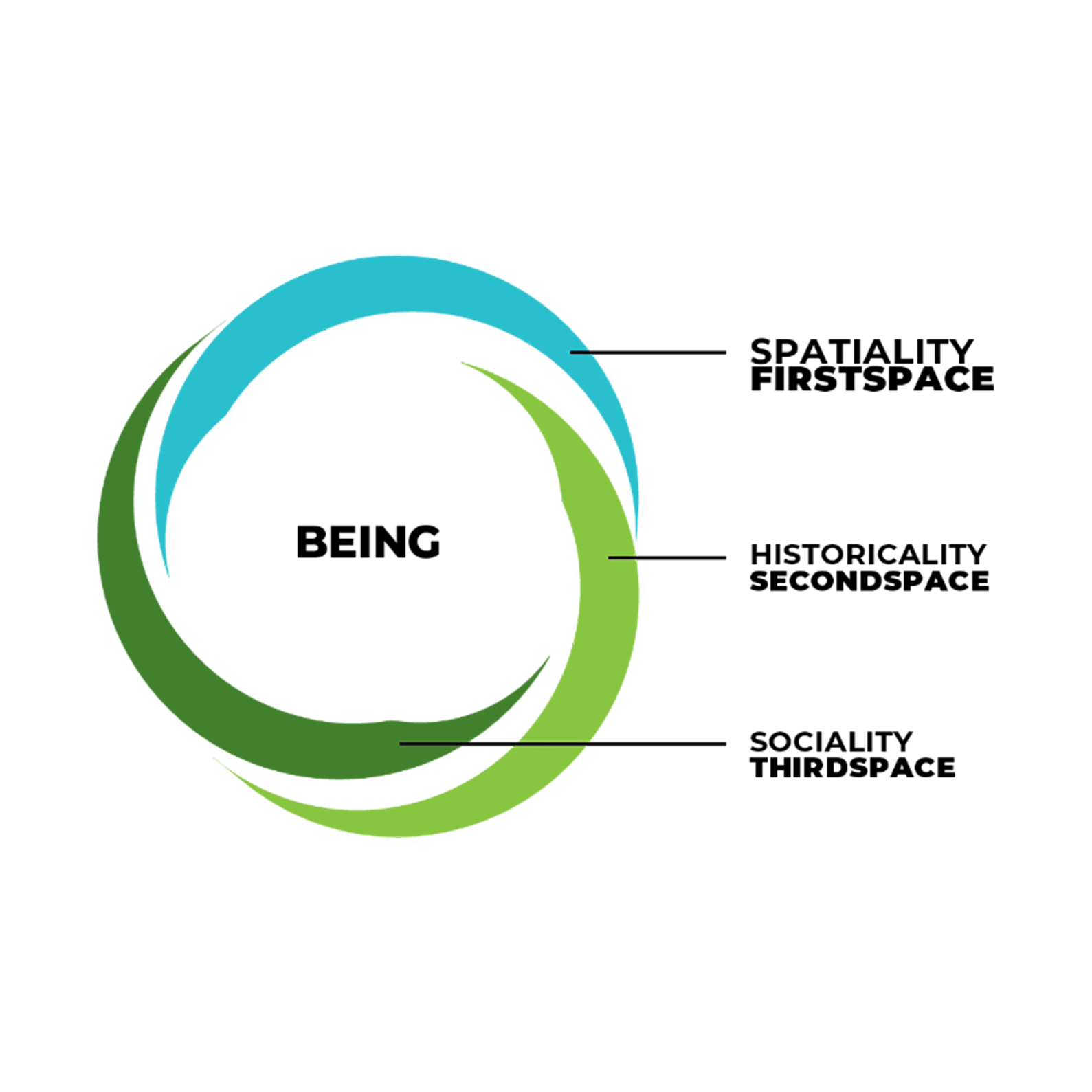
ThirdPlaceSpace began with a question: how might distributed design education become a place for relationship, community, and shared knowledge? Drawing together Oldenburg's Third Place, Soja's Thirdspace and trialectics of spatiality and being, and Scardamalia and Bereiter's Knowledge Building, ThirdPlaceSpace reframed online design education as more than a digital delivery environment. It created conditions in which students could develop relationships, exchange ideas, encounter one another's work, and participate in the construction of shared knowledge.
Through the participatory S(CR)EEN study, ThirdPlaceSpace moved between digital and physical environments. As student narratives and artifacts traveled, the relationships surrounding them changed. The same content produced different encounters in different contexts, revealing that learning environments are not stable containers: they emerge through the spatial, social, historical, and relational conditions that continually reshape them.

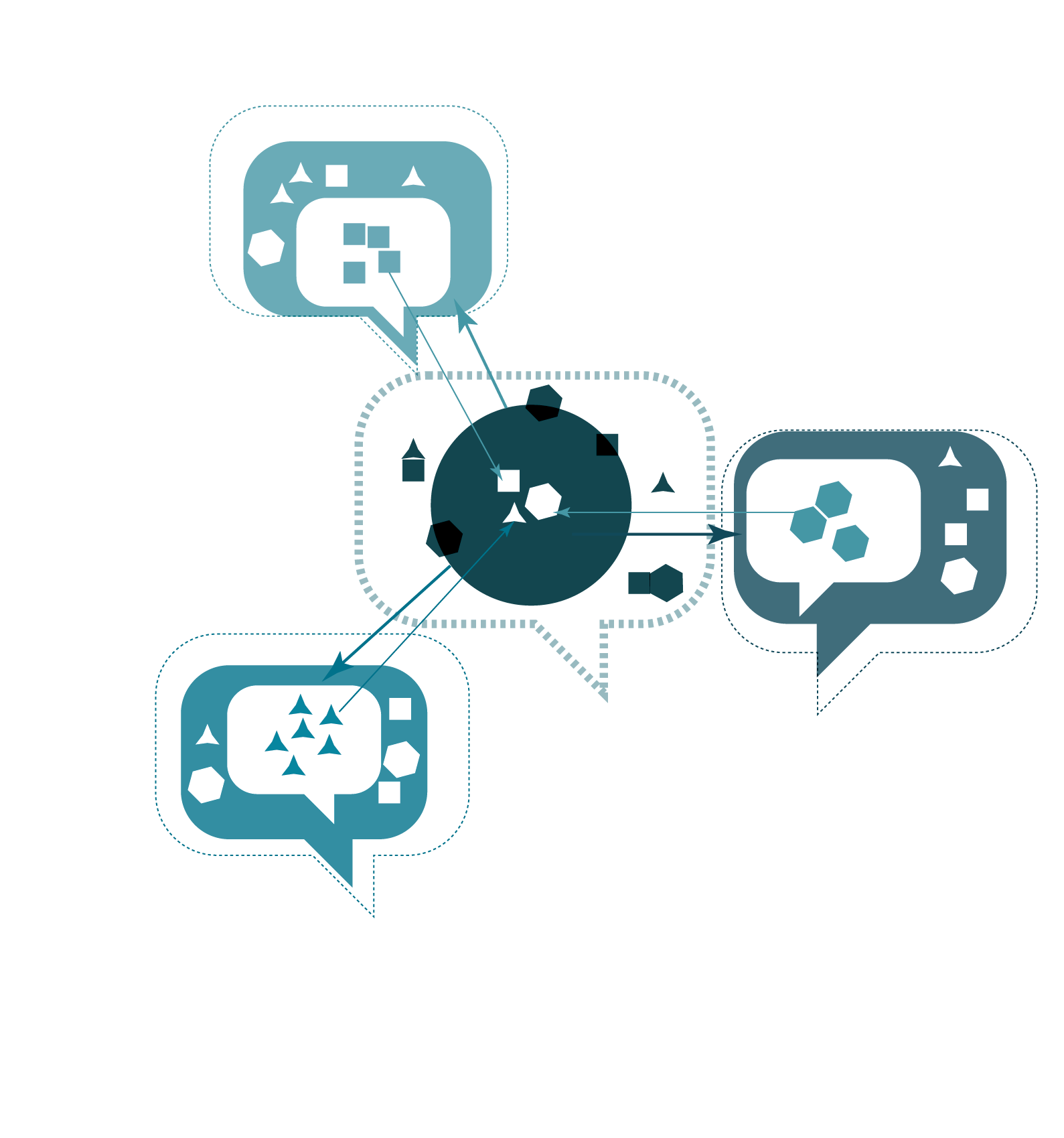
FIELD asks what happens when we follow those changing relationships rather than the classroom that contains them. It studies learning as something continually formed and re-formed through relationships, each carrying spatial, social, and historical lives. As people, ideas, artifacts, technologies, practices, and histories encounter one another, their significance can shift, creating new possibilities—and constraints—for participation and learning.
Mapping is one way FIELD makes these changing ecologies temporarily visible. The maps are not models of an ideal classroom or prescriptions for reproducing a successful environment. They are situated traces: ways of seeing what is forming, what has become consequential, and what changes as an ecology reconfigures. Ultimately, FIELD seeks to understand how relationships continually make and remake the conditions for learning.
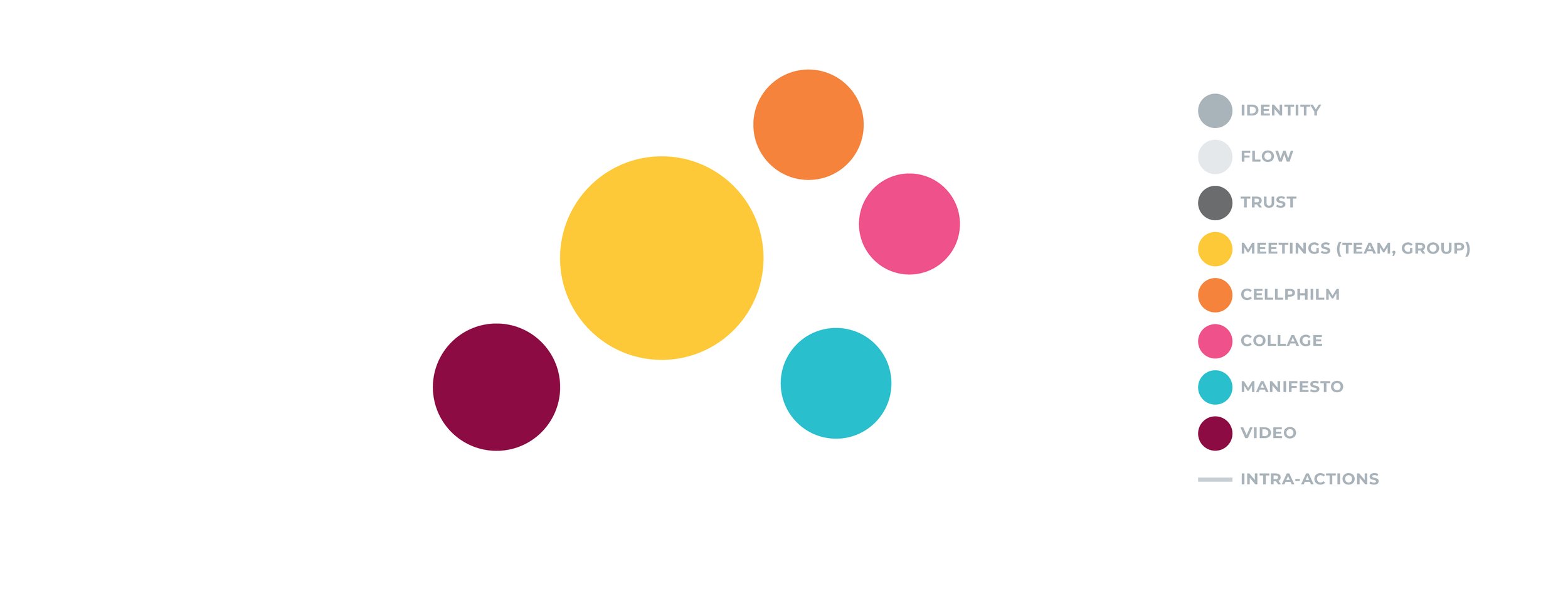
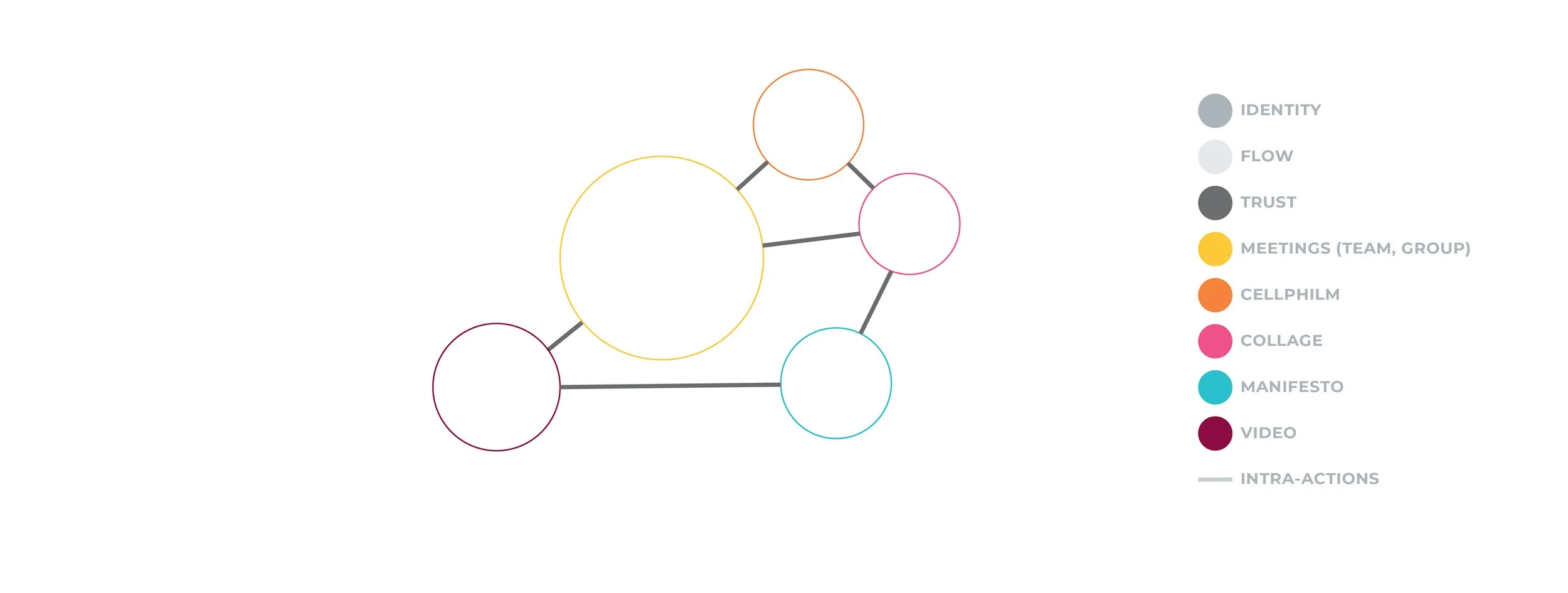
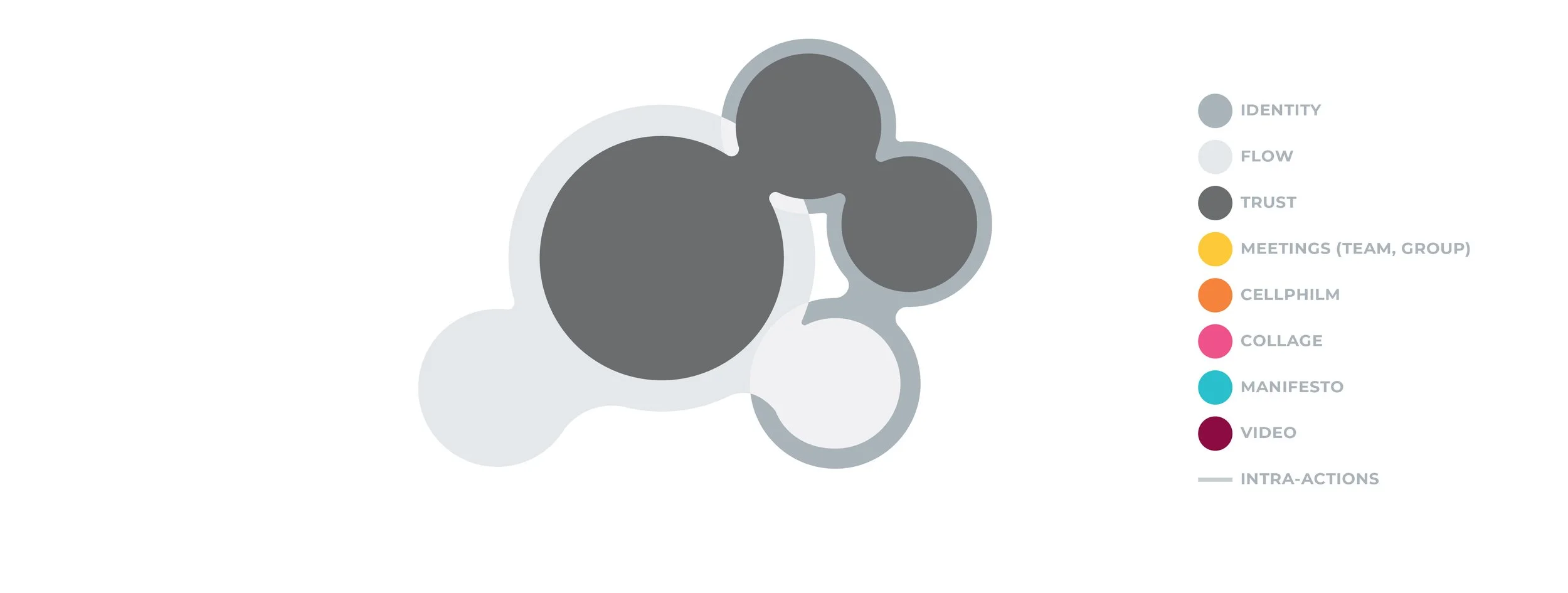
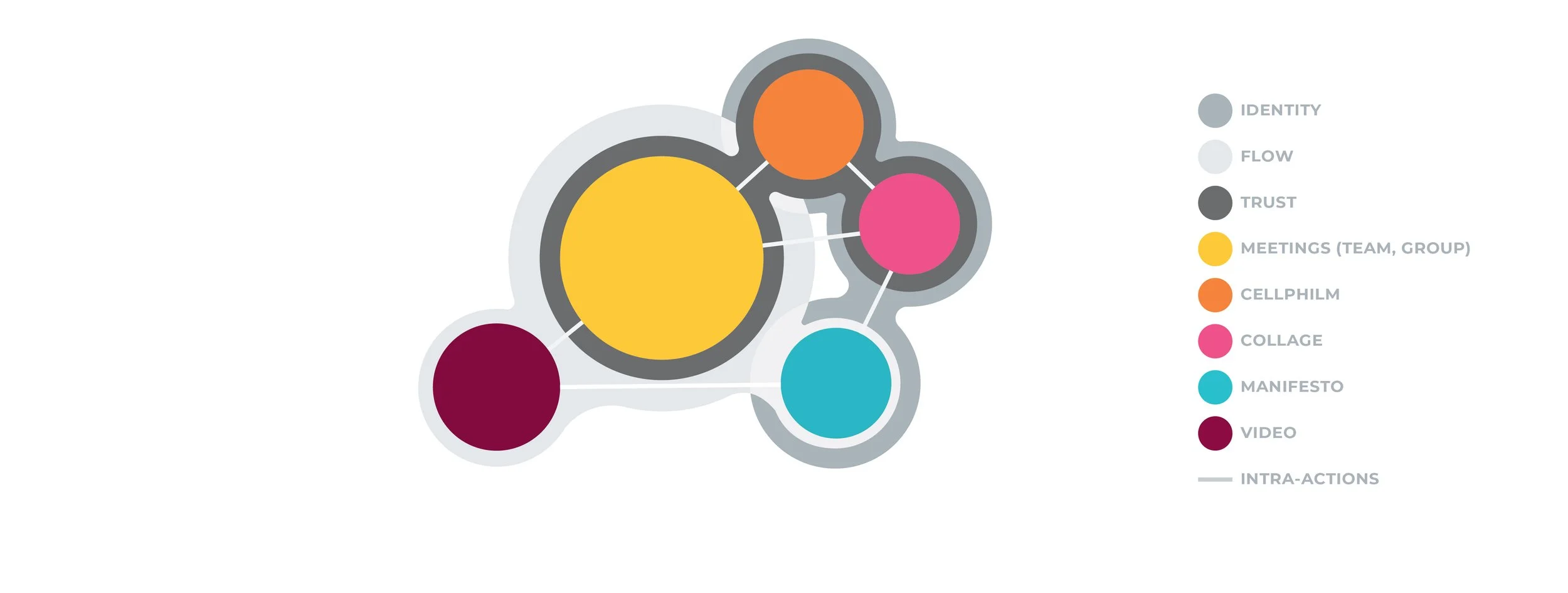
FIELD examination of a 3rdPlaceSpace workshop: Circles represent moments, or elements used within the workshop. Lines represent intra-actions, or connections between each moment. Clouds represent relational work, or affects created by moments and connections—for example, belonging, flow, or identity.